
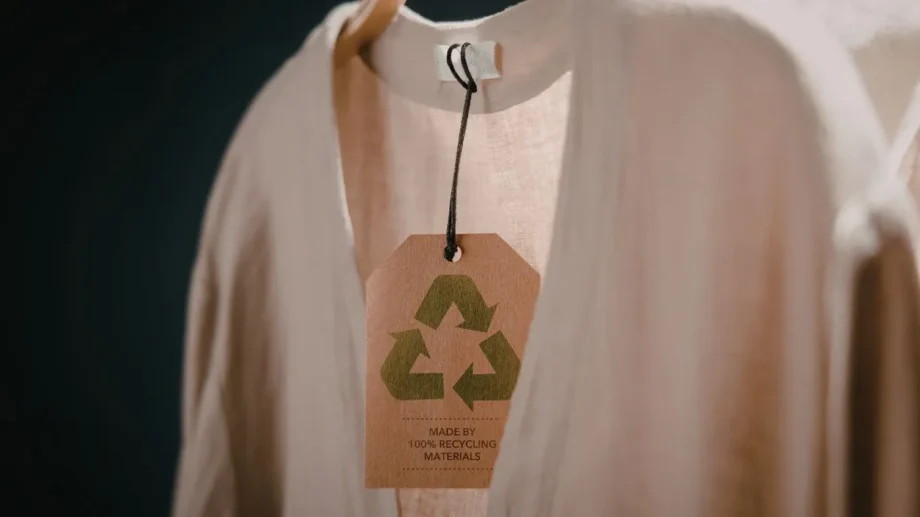
Dressing sustainably isn’t just a trend — it’s a movement toward a cleaner planet, one garment at a time. But what does it really mean, and how can you be part of it?
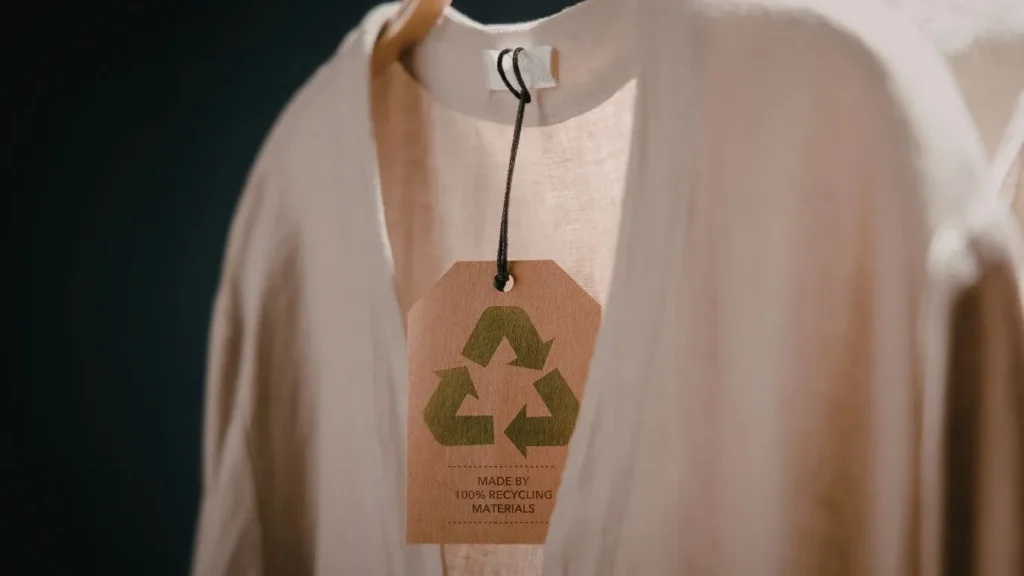
If you keep hearing the term eco fashion and wonder what it actually means, you’re not alone. The fashion industry ranks among the most polluting industries in the world, and more people are asking: can we do better? The short answer is yes — and sustainable style leads the way.
What is eco fashion?
Eco fashion — also known as sustainable or ethical fashion — describes clothing and accessories that brands design, produce, and sell with a strong focus on environmental and social responsibility. It’s about making choices that are kind to the planet and the people who live on it.
Unlike conventional fast fashion, which prioritizes low prices and rapid trend cycles over ethics, this approach considers the full lifecycle of a garment — from raw materials all the way to how someone eventually disposes of it.
- The global fashion industry generates around 92 million tons of textile waste every year. Choosing sustainable clothing directly challenges this by promoting slower, more thoughtful consumption.
The four pillars of sustainable clothing
Sustainable style builds on several interconnected principles:
The four pillars of sustainable clothing
Sustainable style builds on several interconnected principles:
- Natural Materials: Organic cotton, hemp, bamboo, linen
- Recycled Fabrics: Upcycled textiles & recycled synthetics
- Fair Labor: Ethical wages & safe working conditions
- Circular Design: Clothes made to last & be recycled
Why does it matter for the planet?
Conventional clothing production leaves a massive environmental footprint. From water-intensive cotton farming to chemical dyes that pollute rivers, most brands take a serious toll on our planet.
Choosing sustainably made garments means voting with your wallet for cleaner production methods, better treatment of workers, and less waste reaching landfills. Many ethical brands also share their supply chain information openly and pay their workers fair wages — a sharp contrast to practices common in fast fashion.
To explore how brands measure up on these standards, Good On You rates thousands of fashion labels on their environmental and social impact — it’s a great starting point for conscious shoppers.
How to build a greener wardrobe
You don’t need to replace everything at once. Small, intentional steps make a real difference:
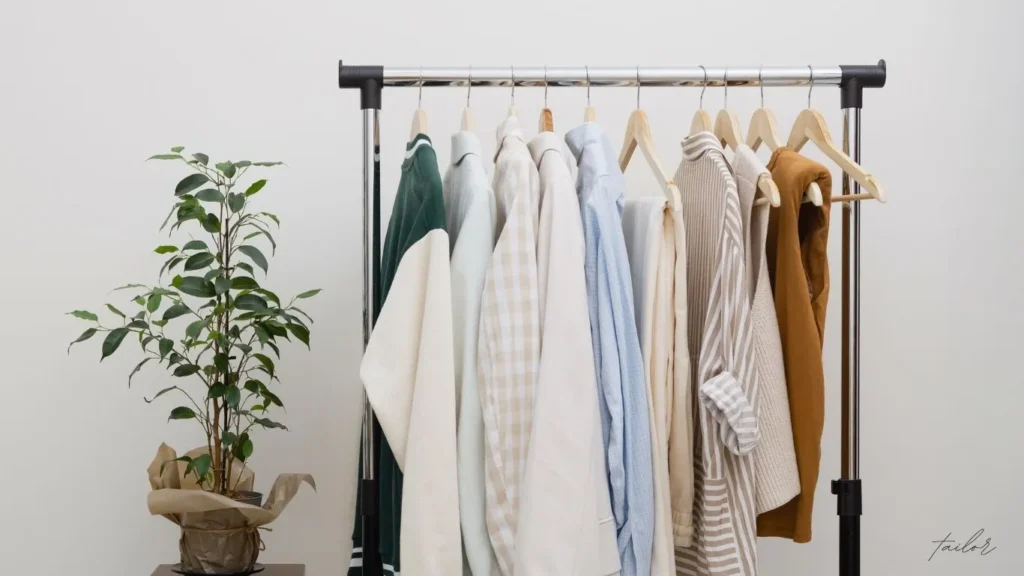
- Buy less, choose well — invest in quality pieces you’ll wear for years, not trends you’ll discard next season.
- Shop secondhand — thrift stores, vintage shops, and online resale platforms offer great finds at accessible prices.
- Look for certifications — labels like GOTS (Global Organic Textile Standard) or Fair Trade signal genuinely responsible products.
- Choose handmade and independent — small makers often use natural materials and ethical practices by default. Handcrafted bags and accessories are a great place to start.
- Care for your clothes properly — washing on cold cycles and air drying extends garment life and cuts energy use.
Start small: accessories make a difference
One of the easiest entry points into conscious shopping is accessories. A handcrafted bag made from natural materials carries far less environmental weight than a mass-produced synthetic alternative — and it tells a story.
If you’re looking for a place to start, our sustainable bag collection on Etsy brings together handmade pieces crafted with natural materials and slow-fashion values. Each bag is made to last, not just to trend.
Common myths worth clearing up
One of the biggest myths is that dressing sustainably costs too much. While some ethical brands charge more — because they pay fair wages and source better materials — secondhand shopping and choosing handmade pieces make conscious style accessible on any budget.
Another misconception is that you have to sacrifice style. In reality, some of the most creative clothing and accessories today come from independent makers who treat environmental responsibility and aesthetic craft as inseparable.
Frequently asked questions
Is eco fashion the same as vegan fashion?
Not exactly. Vegan fashion avoids all animal-derived materials like leather, wool, and silk. Eco fashion focuses more broadly on environmental and ethical impact — which may or may not include animal welfare depending on the brand.
Can fast fashion ever be sustainable?
Rarely. The fast fashion model — built on overproduction and disposable trends — runs fundamentally against sustainability. Some large brands launch “green” lines, but critics often label these greenwashing without meaningful systemic change.
Where can I find ethical fashion brands?
Platforms like Good On You and Fashion Revolution offer great starting points for discovering verified sustainable labels. For handmade accessories, independent sellers on Etsy are worth exploring too.
Is sustainable style expensive?
It doesn’t have to be. Secondhand shopping, clothing swaps, and investing in a small capsule wardrobe of quality pieces all make conscious dressing accessible at any budget level.